Types of Steel for Custom Steel Fabrication in Burnie
Choosing the right surface protection is one of the first decisions in custom steel fabrication in Burnie, and it shapes strength, durability and long-term upkeep. This guide explains the main material options used in industrial work across North West Tasmania. It also shows how to match each one to your project.
Why Surface Protection Choice Matters for Custom Steel Fabrication
The surface protection you choose affects how long a part lasts and how it performs on site. A good match can reduce repairs, protect safety and keep a project on schedule.
Burnie sits on the coast, so salt in the air can speed up corrosion on exposed metalwork. For that reason, custom steel fabrication in Burnie often starts with a simple question about where the finished part will live. Indoor frames face different demands from outdoor platforms, tanks and conveyors.
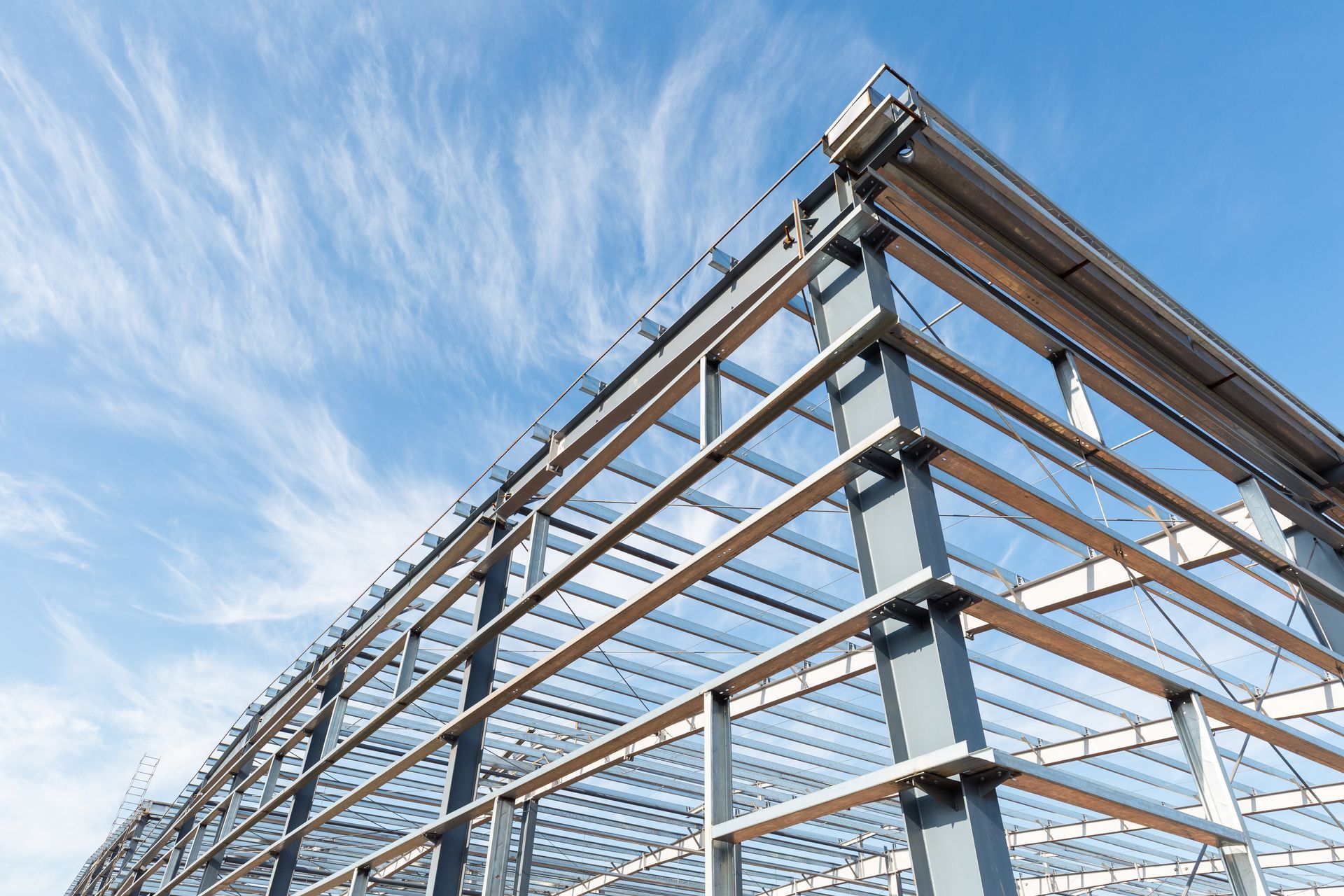
Structural Steel for Heavy-Duty Work
Structural steel is the usual choice for frames, platforms and supports that carry heavy loads. It is strong, widely available and can be cut, welded and formed into large assemblies.
Many Tasmanian projects in mining, hydropower and processing rely on it for items such as:
▸ Conveyor structures and supports.
▸ Bins, hoppers and tanks.
▸ Walkways, platforms and access structures.
▸ Crane girders and heavy frames.
Workshops that offer
heavy industrial steel fabrication can usually build these items to Australian standards, with certified welding procedures and inspection records. Plain structural steel often needs a protective coating when it will be exposed to weather.
Stainless Steel for Corrosion Resistance
Stainless steel resists rust, so it suits wet, clean or chemical environments. It is common in water treatment, food processing and acid plant equipment.
It usually costs more upfront than plain steel, but it may need less maintenance over time. It also holds up well where hygiene matters, because its surface is smooth and easy to clean. For custom steel fabrication in Burnie, stainless steel is worth considering when parts face salt air, moisture or cleaning chemicals.
Aluminium for Lighter Parts
Aluminium is much lighter than steel, which helps when weight matters more than raw strength. It also resists corrosion naturally.
It is often used for platforms, guards, covers and marine fittings. However, it is softer than steel and needs specific welding methods. Ask your fabricator how they qualify their welding procedures for aluminium before work begins.
Stainless Steel Versus Mild Steel
Stainless steel offers better corrosion resistance, while plain structural steel, often called mild steel, offers strength at a lower material cost. Neither is better in every case.
Here is a simple way to compare them:
▸ Corrosion: Stainless steel resists rust well, while plain steel needs paint or another coating.
▸ Strength: Both can carry heavy loads when the design is right.
▸ Upkeep: Stainless steel in general requires no painting, while plain steel needs regular coating checks.
▸ Best fit: Stainless steel suits wet or hygienic settings, and plain steel suits large structures that can be coated.
How Do You Choose the Right Metal?
Start with the load, the environment and the standards your project must meet. These three points narrow the choice quickly.
1. List what the part must carry, hold or support.
2. Note where it will sit, such as indoors, outdoors or near the coast.
3. Check any standards, safety rules or client specifications that apply.
4. Decide how much maintenance you are prepared to do over time.
Once these answers are clear, a fabricator can recommend a material and a finish that suit your budget and timeline.
Coatings and Finishes That Extend Steel Life
Coatings protect steel from moisture and wear, and they can add years to a part's working life. Common options include abrasive blasting, priming and multi-coat industrial paint systems.
Some finishes, such as galvanising and powder coating, may be arranged through trusted partners. Coating plans are best settled early, because they can affect design details, lead times and transport.
What Should You Ask Before Fabrication Starts?
Ask about materials, standards, documentation and delivery before you approve any custom work. Clear answers help prevent delays and rework.
Useful questions include:
▸ Which material grade do you recommend, and why?
▸ Which Australian standards will the work follow?
▸ What testing and inspection records will I receive?
▸ Is trial assembly recommended for this project?
▸ How will the finished parts be transported and installed?
Choosing Custom Steel Fabrication for Burnie Projects
The right metal, finish and fabricator work together to protect your investment. Matching material to environment is the best place to start.
The Engineering Company provides custom steel fabrication serving Burnie and the wider North West from its workshop in Somerset. The team works with structural steel, stainless steel and aluminium, and operates ISO-accredited quality systems. To talk through your material options, call
03 6433 2777 or
send an enquiry for a quote.
Recent Posts